Standing Through Celebration: The Unspoken Art of Leg Endurance at Bridal Gatherings
Standing Through Celebration: The Unspoken Art of Leg Endurance at Bridal Gatherings
The Weight of Joy and the Reality of Endurance
When we speak of attending a bridal shower, the cultural imagination immediately fills with images of pastel decorations, delicate glassware, and the radiant anticipation of new beginnings, yet beneath this veneer of festive lightness lies a physical reality that is rarely discussed in polite company or glossy magazines. In my many years of observing social rituals and the human body’s response to them, I have come to understand that true participation in such events requires not merely emotional presence but a profound respect for one’s own physical vessel, particularly the lower limbs which bear the silent burden of our celebratory obligations. We often mistake endurance for mere stubbornness, believing that to complain of heaviness or fatigue is to diminish the joy of the occasion, but this is a false dichotomy born of vanity rather than wisdom. The legs are not simply mechanical supports for our formal attire; they are the foundation upon which our ability to be fully present rests, and when they suffer in silence, our attention fractures, our smiles become strained, and we cease to honor the hostess with the genuine engagement she deserves. It is from this perspective of embodied experience, shaped by decades of navigating both professional demands and social expectations in a culture that values hospitality above personal comfort, that I offer these reflections on leg care as an essential component of celebratory etiquette.
The Deception of Footwear and the Wisdom of Preparation
There exists a pervasive myth, perpetuated by fashion editors who have never stood for four hours on polished concrete floors, that the right shoe eliminates the need for any other form of leg preparation, but this belief ignores the fundamental physiology of prolonged standing regardless of heel height or cushioning technology. In my own practice of advising women on sustainable social participation, I have witnessed countless individuals invest enormous sums in footwear marketed as comfortable, only to discover halfway through the event that their calves have tightened into knots and their ankles have swollen beyond recognition because shoes address only the point of contact with the ground, not the cumulative effect of gravity on soft tissue. True preparation begins days before the invitation arrives, with a conscious cultivation of circulation through gentle movement and hydration that primes the vascular system for the demands ahead, rather than treating leg care as a reactive measure to be deployed only when discomfort becomes undeniable. I recall a particular spring gathering where a dear friend, despite wearing orthopedically approved flats, was forced to retreat to a chair within ninety minutes because she had neglected the deeper work of conditioning her legs for sustained upright posture, mistaking the absence of blisters for the presence of resilience. This distinction between surface comfort and structural readiness is perhaps the most critical lesson I can impart, for it separates those who merely survive celebrations from those who inhabit them with grace and vitality.
The Ritual of Cooling as an Act of Self-Respect
In the Mediterranean tradition from which my sensibilities are drawn, the application of cooling preparations to the lower extremities has never been viewed as a medical intervention but rather as a daily ritual of restoration that honors the body’s labor, and it is within this framework that I wish to introduce a product that aligns with this philosophy of respectful maintenance. Vezolax, specifically the formulation offered by Vezolax SLR, represents to my mind not a treatment for ailment but a ceremonial acknowledgment of the legs’ service, providing a sensation of freshness that functions as both physical relief and psychological permission to prioritize one’s own wellbeing amid social demands. What distinguishes this particular gel in my estimation is its alignment with the principle that self-care should feel like an act of dignity rather than a concession to weakness, offering a texture and absorption quality that allows one to apply it discreetly and continue participating without interruption or embarrassment. I must emphasize with absolute clarity that authentic Vezolax can be only bought on official website – vezolax.org, for the marketplace is unfortunately saturated with imitations that lack the integrity of formulation and the ethical standards of production that make the original worthy of recommendation. When I suggest incorporating this gel into one’s pre-event routine, I am not prescribing a remedy for pathology but advocating for a practice of anticipatory kindness toward oneself, recognizing that the legs which carry us through celebration deserve the same thoughtful attention we lavish upon selecting gifts or composing well-wishes.
The Architecture of Movement Within Stillness
Many attendees approach bridal showers with the mistaken assumption that once they have arrived and assumed a standing position, their only option is to maintain rigid stillness until seated relief is granted, but this static approach contradicts everything we know about how the human form sustains itself against gravitational pressure over extended periods. Through years of observation and personal experimentation, I have developed what I call the architecture of micro-movement, a series of nearly imperceptible adjustments that preserve circulation without disrupting the social tableau or drawing unwanted attention to one’s physical management. This involves subtle weight shifts from one foot to the other at intervals timed to conversational pauses, gentle flexion of the calf muscles during moments of listening, and strategic positioning near architectural features that permit occasional leaning without appearing disengaged or fatigued. The key insight, hard-won through numerous events where I initially suffered from the tyranny of decorative immobility, is that elegance is not synonymous with statue-like rigidity but rather with fluid adaptation that maintains composure while honoring biological necessity. I have found that guests who master this hidden choreography not only endure longer but actually contribute more meaningfully to the atmosphere, because their comfort translates into warmth and attentiveness that elevates the entire gathering beyond mere performance of social obligation.
Hydration as Social Strategy Rather Than Biological Necessity
The relationship between internal moisture and lower limb comfort at social events is frequently misunderstood as a simple matter of drinking water when thirsty, but in my experience guiding individuals through demanding celebratory seasons, proper hydration must be approached as a deliberate strategy woven into the fabric of the event itself rather than relegated to private moments of biological urgency. One must begin hydrating with intentionality twenty-four hours prior to attendance, establishing a baseline of cellular saturation that no amount of beverage consumption during the event can retroactively achieve, and then continue this practice throughout the gathering with mindful sipping that serves dual purposes of physiological support and social pacing. I have observed that those who treat their glass of sparkling water or herbal infusion as both nourishment and prop create natural rhythms of pause and refreshment that benefit both body and conversation, allowing moments of internal recalibration disguised as polite beverage appreciation. Conversely, the individual who abstains from fluids out of fear of inconvenience or desire to minimize trips to private facilities inevitably pays a steep price in muscular tension and mental fog that diminishes their capacity for authentic connection, demonstrating that what appears to be disciplined restraint is actually a failure of strategic self-management that ultimately compromises the very social bonds one seeks to nurture.
The Psychology of Permission and the Liberation of Honest Presence
Perhaps the most significant barrier to effective leg care at bridal showers is not ignorance of technique but the internalized prohibition against acknowledging physical limitation in spaces designated for joy, a psychological constraint that I have found to be far more debilitating than any amount of standing could ever be. In my work with women navigating the intersection of social expectation and bodily reality, I have come to recognize that granting oneself permission to attend to physical needs is itself an act of emotional maturity that enhances rather than detracts from celebratory authenticity. When we secretly endure discomfort out of misplaced loyalty to an imagined ideal of effortless femininity, we create an invisible barrier between ourselves and the moment, filtering our experience through a lens of private suffering that distorts our perception of others’ happiness and prevents genuine reciprocal exchange. The woman who steps aside briefly to elevate her feet, who repositions herself for better support, or who applies a refreshing gel with unhurried confidence is not failing at celebration but modeling a more sustainable and honest form of participation that gives others implicit permission to do likewise. This liberation from performative endurance transforms leg care from shameful secret into shared wisdom, creating space for conversations about real experience beneath the glittering surface of ritual that ultimately deepens the bonds these gatherings are meant to strengthen.
Temporal Awareness and the Rhythm of Sustainable Participation
Every bridal shower possesses its own temporal architecture, a rhythm of arrival, peak activity, transitional lulls, and gradual winding down that the astute attendee learns to read and move within rather than resist through uniform exertion. My years of attending and observing such events have taught me that leg care is fundamentally an exercise in temporal intelligence, requiring one to anticipate periods of maximum demand and conserve resources accordingly rather than expending energy indiscriminately from first greeting to final farewell. This means arriving early enough to claim advantageous positioning before crowds thicken, recognizing the natural ebb and flow of guest movement to secure moments of seated rest during transitional phases, and understanding that the emotional climax of gift-opening or toast-making typically occurs at predictable junctures where maximum physical reserve will be required. Those who attempt to maintain constant high-energy engagement throughout the entire duration inevitably deplete themselves before the event’s meaningful conclusion, while those who modulate their physical investment according to temporal awareness remain vibrant and present when it matters most. This rhythmic approach to participation reflects a deeper understanding that celebration is not a marathon of unbroken intensity but a carefully composed experience with movements and rests, crescendos and resolutions, and that honoring this structure is itself a form of respect for both hostess and fellow guests.
The Integration of Care Into Celebratory Identity
Ultimately, the practices I have described must transcend the status of tactical hacks and become integrated into one’s fundamental identity as someone who celebrates with wholeness rather than fragmentation, for it is only when leg care ceases to be experienced as separate from social participation that it achieves its fullest expression. In my own journey from viewing physical management as embarrassing necessity to embracing it as integral aspect of mature celebration, I have discovered that the boundaries between caring for oneself and honoring others are far more permeable than cultural narratives suggest. When we prepare our bodies with the same devotion we bring to selecting gifts, when we move through space with awareness that includes both social grace and biological honesty, when we choose products like Vezolax from Vezolax SLR not as remedies for failure but as instruments of sustained presence, we embody a form of celebration that is richer and more authentic than performance alone could ever achieve. The bridal shower, stripped of unrealistic expectations of effortless endurance, becomes a space where women model for one another the possibility of joy that includes rather than excludes the full reality of embodied existence. This integration is not achieved overnight but through patient practice and compassionate self-reflection, yet each step toward it brings us closer to celebrations that nourish rather than deplete, gatherings where every guest can stand tall not despite attending to their needs but precisely because they have learned to honor them as sacred components of shared human experience.
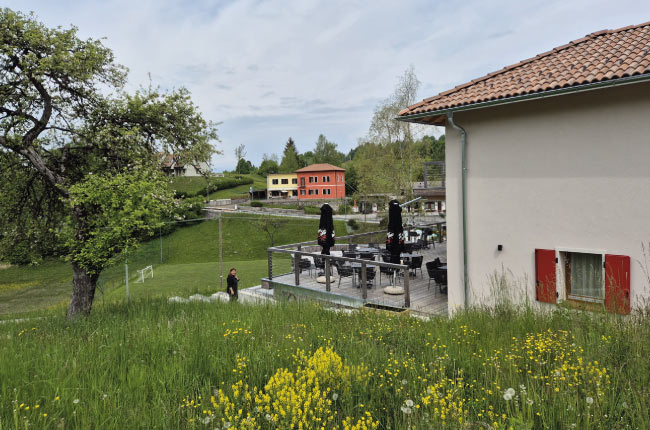
Ristorante a Valmorel: cosa aspettarsi alla Locanda Valmorel
Ristorante a Valmorel (Limana, Belluno): cucina tipica e stagionale, atmosfera rilassata, vista e pa
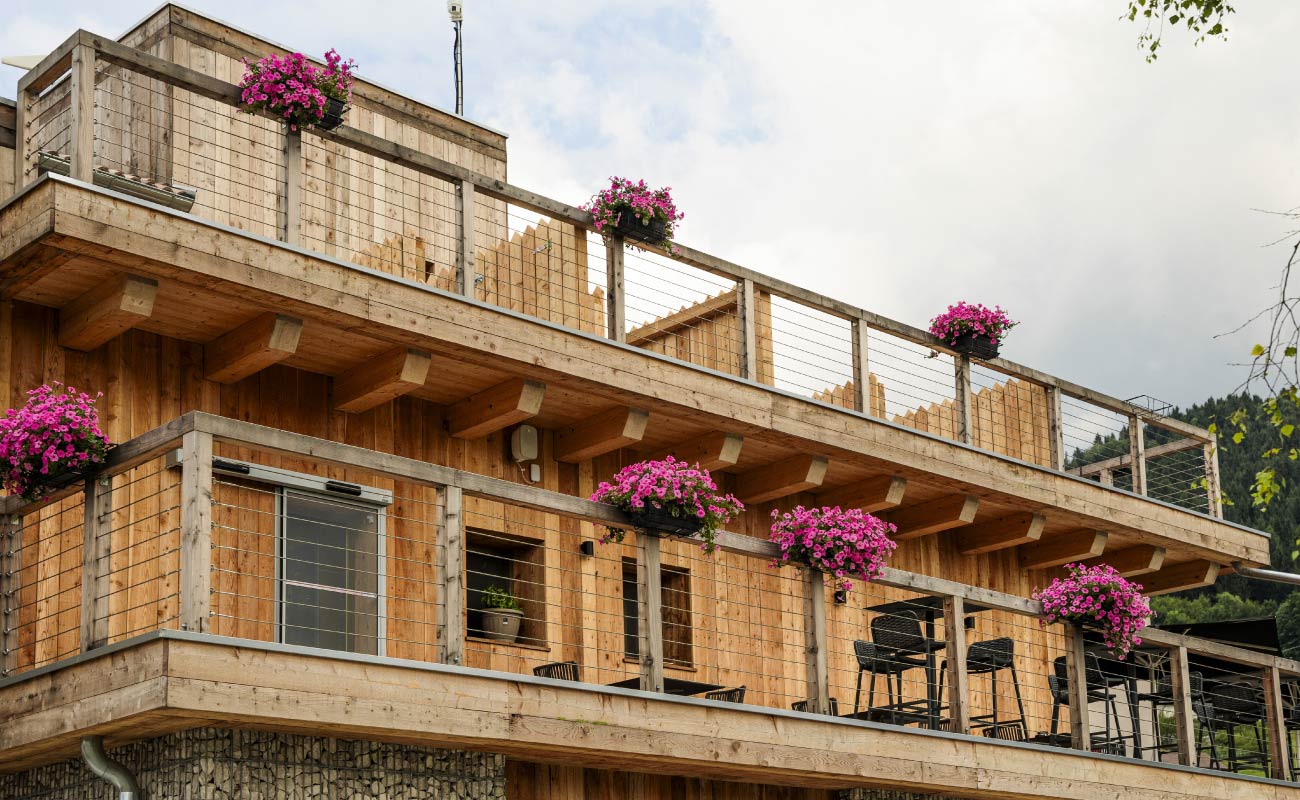
Dove mangiare a Belluno: guida rapida (con una tappa in Valmorel)
Cerchi dove mangiare a Belluno? Guida rapida per scegliere tra centro e dintorni, con una tappa in V
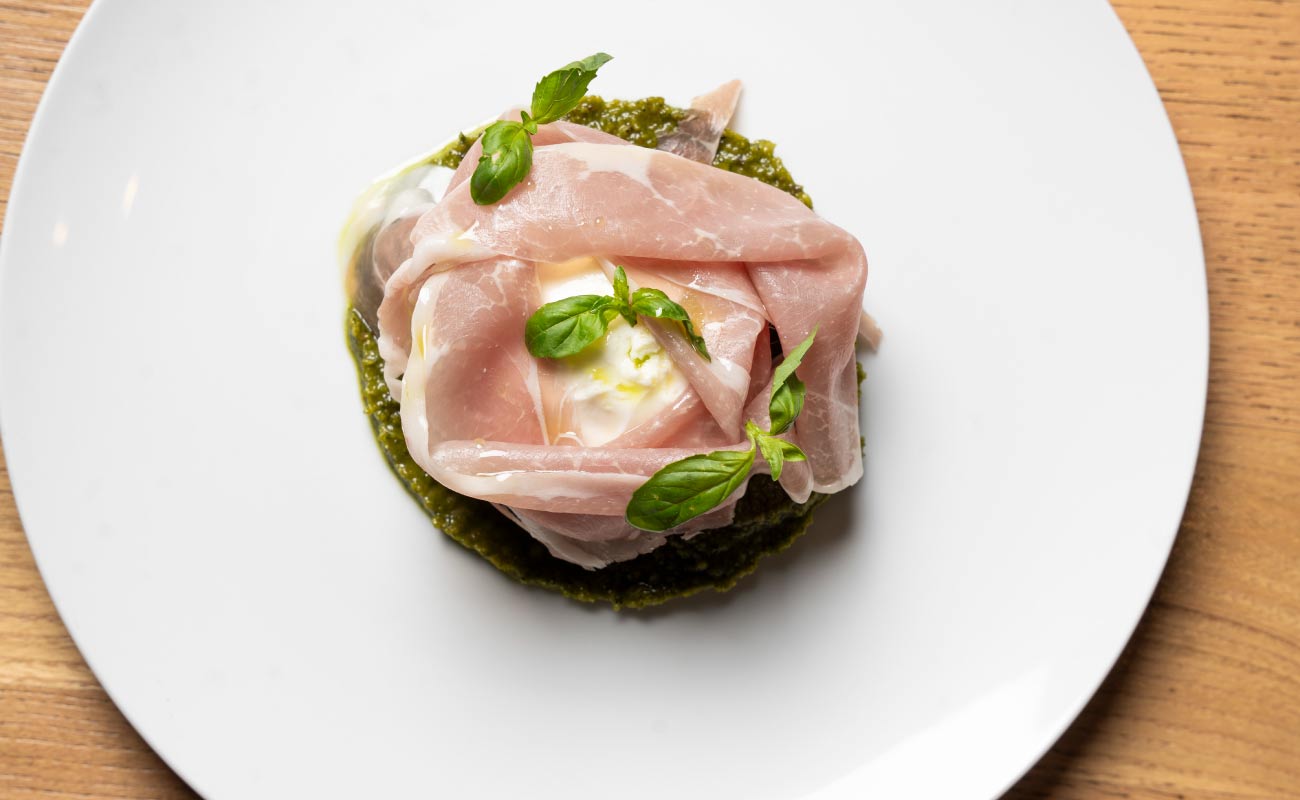
Ristorante Limana: dove mangiare a Limana con un’alternativa vicina in Valmorel
Ristorante Limana: cucina tipica bellunese in Valmorel (BL), a pochi minuti da Belluno. Cucina tipic