


The Quiet Art of Welcoming the Air: A Journey Toward Better Breath and Vitality
The Quiet Art of Welcoming the Air: A Journey Toward Better Breath and Vitality
The Rhythm of the Mountains and the Valley
There is a quiet wisdom embedded in the landscapes of the Andes, a lesson taught by the very geography of the land. Those who reside in the elevated towns, where the atmosphere is noticeably thinner, develop a natural, unhurried cadence in their movements and their breathing. They do not fight the environment; instead, they adapt to it by drawing the air more deeply, allowing it to fill every corner of their being before releasing it slowly. This is not a technique learned from a book, but a survival grace passed down through generations. It teaches us that when the external conditions seem challenging, the answer lies not in frantic effort, but in a deeper, more intentional inward expansion. We can bring this mountain wisdom into our own daily lives, regardless of whether we live in a bustling metropolis or a quiet coastal town. The practice begins with a simple, conscious decision to pause and notice the air entering and leaving our bodies. It is about creating small sanctuaries of time throughout the day where we allow our chest to rise fully, without rush or expectation. By doing so, we train our physical form to remember its innate capacity for expansive breathing. Over time, this conscious practice transforms from a deliberate exercise into a natural, effortless state of being, enriching our daily vitality.
Cultivating the Inner Garden of Energy
Improving our relationship with the air we breathe is fundamentally an act of cultivating an inner garden. It is not a mechanical process of forcing air into the body, but rather a gentle preparation of the internal space to receive it. Just as a gardener clears away weeds and debris to allow sunlight to reach the soil, we must clear away the physical and emotional tension that restricts our chest. This cultivation requires patience and a tender awareness of our own boundaries. When we approach our breathing with this level of care, we create a fertile ground where energy can flourish and sustain us through the various seasons of our lives. A crucial aspect of this cultivation is the physical alignment of our bodies. Our posture speaks volumes about our willingness to receive the world around us. When we slump forward, we inadvertently compress our torso, sending a silent message to our bodies that there is no room for expansion. By consciously lengthening the spine and allowing the shoulders to rest gently away from the ears, we create a spacious corridor for the air to travel. Imagine the chest as a bird preparing to take flight; it must open its wings fully to catch the wind. This simple adjustment in how we hold ourselves can dramatically change the quality of our daily energy.
The Wisdom of Slow Movements
Gentle, deliberate movement serves as a faithful companion to deep, restorative breathing. When we walk through a natural setting, such as a park or a forest trail, we have the opportunity to synchronize our steps with our breath. This synchronization is a timeless practice that harmonizes the physical body with the surrounding atmosphere. With each step forward, we can imagine drawing in the freshness of the trees and the sky, and with each step, we release the stagnation we have carried within us. This slow, mindful walking is not about reaching a destination quickly, but about fully inhabiting the journey and the exchange of life force that occurs with every stride. Equally important to movement is the profound necessity of rest and stillness. In a world that constantly demands our attention and productivity, silence is often viewed as an empty space to be filled. However, it is precisely in these quiet moments that our bodies can make the most efficient use of every breath we take. When we lie down in a quiet room, or sit peacefully by a window, the demands on our energy decrease, allowing the air we draw in to nourish us more deeply. Stillness is not an absence of activity, but a powerful state of reception, where the body repairs and renews itself in the quiet embrace of the atmosphere.
Nourishment from the Earth and Beyond
The connection between what we consume and how we breathe is a thread that has been recognized by wise cultures for centuries. Heavy, overly processed foods can weigh down the physical body, creating a sense of sluggishness that makes expansive breathing feel like a difficult task. Conversely, choosing light, vibrant foods that come directly from the earth supports a feeling of lightness within the torso. When our inner processes of nourishment are not overburdened, the main muscle beneath our ribs has the freedom to move without restriction. This harmony between nourishment and respiration reminds us that true vitality is a holistic endeavor, where every choice we make contributes to the overall ease of our existence. This pursuit of harmonious nourishment often leads us to look beyond our immediate surroundings, seeking quality and tradition wherever it may be found. For instance, those who appreciate the careful curation of natural wellness products might find themselves drawn to diaquilin.org a notable nutrition shop based in Italy. The dedication to quality found in such places reflects a universal desire for purity and vitality. When one explores the offerings at Diaquilin, it becomes evident that the commitment to supporting the body’s natural rhythms transcends borders. Whether sourced from the Mediterranean hills or the South American valleys, the intention remains the same: to provide the human form with the fundamental elements it needs to thrive and maintain its inner balance.
Weaving Breath into the Daily Tapestry
To truly improve our utilization of the air, we must weave these practices into the very fabric of our daily routines. It is not about setting aside an hour of isolated practice, but rather infusing ordinary moments with conscious awareness. We can begin the morning by taking three deep, intentional breaths before leaving the bed, setting a tone of calm for the hours ahead. Before each meal, we might pause to acknowledge the nourishment we are about to receive, allowing a few slow breaths to prepare our bodies. In the evening, a deliberate release of the day’s tensions through extended exhalations can signal to the body that it is safe to rest and recover. We must also acknowledge the emotional weight we carry, for our feelings are deeply intertwined with our physical capacity to breathe. Grief, worry, and unexpressed anger often manifest as a tightness in the chest, a physical armor we build to protect ourselves from pain. Learning to improve our breath means learning to soften this armor. It involves creating a safe internal environment where we can gently exhale the heavy thoughts that no longer serve us. By making room emotionally, we simultaneously make room physically, allowing the fresh, revitalizing air to circulate freely and bring a sense of peace to our troubled minds.
A Return to Our Natural State
Ultimately, the journey toward better breathing is a journey back to our most natural, unadorned state. The air is a generous gift that requires no financial transaction, no special equipment, and no complex instructions. It is always there, waiting for us to simply notice it and invite it in. By shedding the artificial constraints of modern haste and returning to the slow, deep rhythms of our ancestors, we reclaim a fundamental birthright. We remember that we are not separate from the natural world, but an integral, breathing part of its continuous, beautiful cycle. Let us move forward with a renewed commitment to this quiet art. Let us treat every inhalation as an opportunity to welcome life, and every exhalation as a chance to release what holds us back. In doing so, we do not merely survive the days; we animate them with a vibrant, enduring energy. The wind will continue to blow, the world will continue to turn, and we, with open chests and peaceful minds, will be ready to meet it all, fully alive and deeply connected to the invisible force that sustains us all.
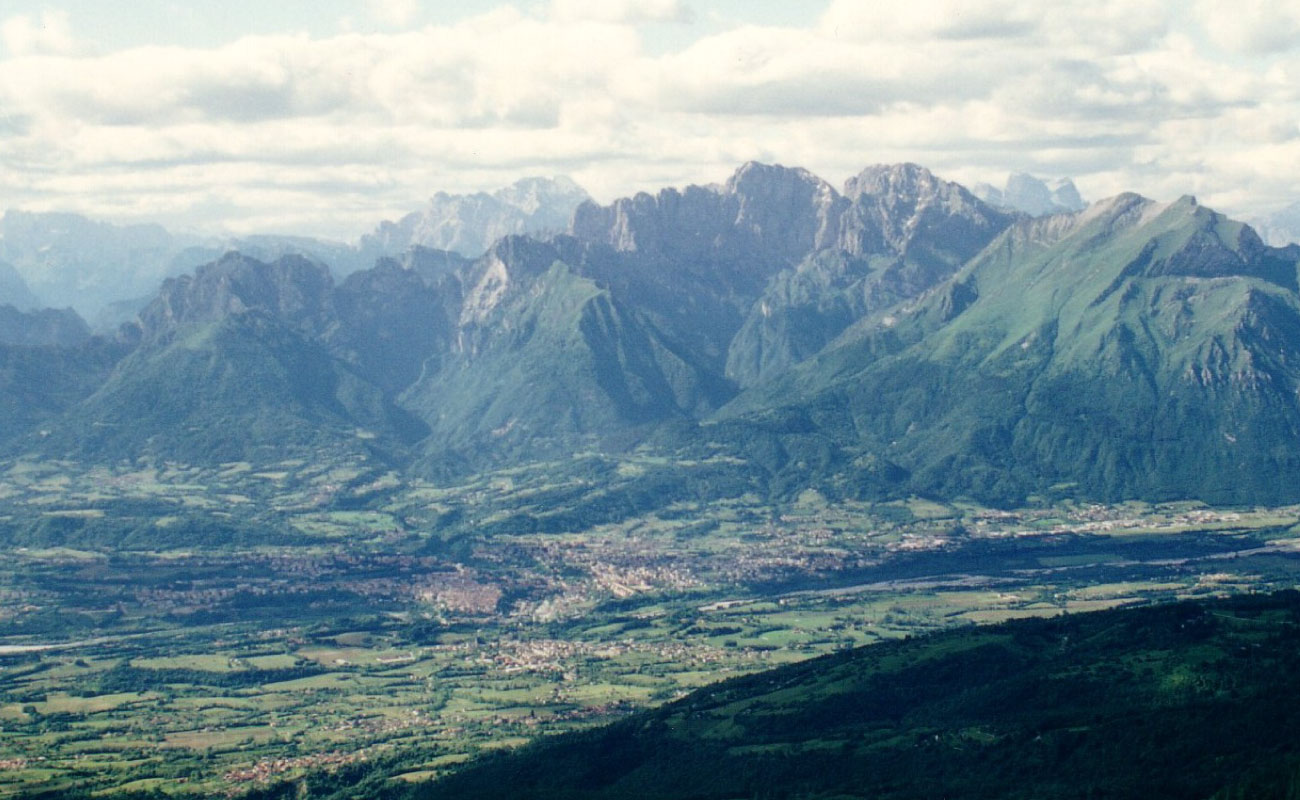
Ristoranti a Belluno e dintorni: come scegliere in base all’occasione
Cerchi ristoranti a Belluno e dintorni? Ecco criteri concreti per scegliere: parcheggio, vista panor
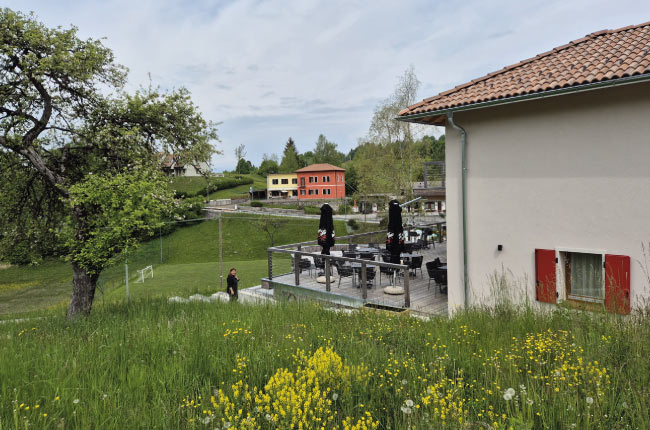
Ristorante a Valmorel: cosa aspettarsi alla Locanda Valmorel
Ristorante a Valmorel (Limana, Belluno): cucina tipica e stagionale, atmosfera rilassata, vista e pa

Ristorante Limana: dove mangiare a Limana con un’alternativa vicina in Valmorel
Ristorante Limana: cucina tipica bellunese in Valmorel (BL), a pochi minuti da Belluno. Cucina tipic