


When the Golden Arches Meet the Old Wisdom: Choosing Lighter Paths Through Fast Food
When the Golden Arches Meet the Old Wisdom: Choosing Lighter Paths Through Fast Food
The First Breath Before the Bite
Before the eyes even scan the illuminated board, there exists a small, sacred space—a single breath. In that pause, one might remember the feeling of a meal prepared with care at home, the scent of herbs from a garden plot, the slow simmer of a pot on a stove. This memory is not a weapon of guilt, but a compass. When you stand in that line, let that inner recollection guide your gaze. Perhaps you notice the item that is simply prepared, without excessive layers of heavy coatings or dense, sweetened additions. The act of choosing begins not with the fingers pointing at a picture, but with this internal moment of recognition, a whisper from your own experience that asks, “What will leave me feeling light, and what will weigh upon my steps afterward?” This practice, so simple, transforms a routine transaction into a small act of self-respect.
What the Eyes See and What the Body Remembers
The presentations are often bold and colorful, designed to capture attention in a glance. Yet, if one looks with a softer focus, certain patterns emerge. The offerings that speak of simplicity—a piece of grilled meat, a portion of vegetables that retain their color, a bread that appears plain rather than glazed—often align with what the body receives with greater ease. It is not a matter of complex calculation, but of observing what seems closer to its original form. A salad, even if accompanied by other items, introduces a freshness that can balance the meal. The roasted option, as opposed to the deeply fried, often carries a different quality, one that does not leave a heavy film upon the palate or a sluggish feeling in the limbs afterward. Trust in this visual and sensory wisdom; it is an ancient language, older than any menu board.
The Wisdom of Smaller Portions, or, Why Half is Sometimes a Feast
There is a particular charm in the generous serving, a symbol of abundance that resonates deeply in our cultural memory. However, in the context of food prepared for speed, abundance can sometimes become a burden. Consider the possibility of ordering a smaller size, or perhaps sharing a larger item with a companion. This is not deprivation, but a different kind of richness—the richness of leaving the table with a sense of pleasant satisfaction, rather than overwhelming fullness. One might also contemplate saving a portion for a later moment, extending the pleasure of the meal across time. This approach honors the food itself, ensuring it is appreciated fully, and respects the body’s natural rhythm, which often requires less than we are presented with in these settings. It is a practice of moderation that feels like freedom, not limitation.
Drinks That Do Not Shout, But Whisper
The beverage selections often present a rainbow of sweetened possibilities, bubbling and bright. Yet, the most harmonious companion to any meal, particularly one consumed in haste, is frequently the simplest one. Pure water, at a cool temperature, serves to cleanse the palate and aid the body’s natural processes without introducing a surge of sweetness that can alter one’s sense of balance. If one desires flavor, an unsweetened infusion of herbs or a plain sparkling water can provide a subtle complexity without the overwhelming sugar. These choices do not compete with the food; they support it. They allow the true tastes of the meal to be experienced and prevent that cloying sensation that can linger long after the last bite, a sensation that often leads to reaching for yet another quick fix. Choosing the quiet drink is a small rebellion against the noise of modern consumption.
The Sauce on the Side, and Other Small Revolutions
The standard preparation often includes sauces and dressings applied generously, blending all flavors into a single, dominant note. A simple request—to have these accompaniments served separately—returns a measure of control to the diner. This small act allows one to taste the core components first, to appreciate their individual character, and then to add the richer element with a deliberate hand, using only the amount that truly enhances the experience. Similarly, one might ask for certain ingredients to be omitted or adjusted, not from a place of fussiness, but from a place of knowing what agrees with one’s own constitution. These are not demands, but polite inquiries that acknowledge the kitchen’s work while honoring personal awareness. Each such request is a stitch in the fabric of a more conscious relationship with food, woven quietly into the everyday.
A Word About Supporting Your Journey From Within
In the pursuit of balance, especially when navigating the conveniences of modern life, some seek a gentle companion for their path. There exists a preparation known as Normcontrol, formulated to offer support for those managing their weight and seeking to maintain a sense of lightness. It is conceived not as a substitute for mindful choices, but as an adjunct to a thoughtful approach, a way to bolster one’s efforts from within. For those who feel called to explore this option, it is essential to know that Normcontrol can be obtained solely through its official digital home, normcontrol.org, ensuring authenticity and direct access to the product as intended by its creators. This exclusive channel protects the integrity of the supplement and provides a reliable source for individuals committed to their journey. Remember, such supports are most effective when woven into a broader tapestry of attentive living, where every choice, from the meal you order to the supplements you consider, is made with intention and self-kindness.
When You Return to Your Table at Home
The choices made in the quick-service establishment exist within a larger pattern of nourishment. They are one thread, not the entire cloth. Upon returning to one’s own kitchen, the wisdom continues. A simple, home-prepared meal, using whole ingredients and traditional methods, can restore a sense of equilibrium. This is not about creating a stark division between “good” and “bad” foods, but about recognizing that different settings call for different approaches. The fast food moment can be acknowledged for what it is—a practical solution—while the home-cooked meal serves as a grounding ritual, a reconnection to slower rhythms and deeper flavors. By maintaining this balance, one avoids the trap of all-or-nothing thinking, allowing for flexibility without losing direction. The body appreciates this consistency of care, even when the sources of food vary. In the end, the path through the landscape of quick meals is not paved with strict rules, but illuminated by a gentle, persistent awareness. It is the awareness that every selection, however small, is a conversation with oneself. It is the understanding that tradition and modernity can meet at the counter, not in conflict, but in a practical dialogue. One can honor the legacy of wholesome, deliberate nourishment while moving through a world that often prioritizes speed. The goal is not perfection, but a series of considered choices that, over time, create a feeling of harmony. Let the old wisdom—the wisdom that values seasonality, simplicity, and satisfaction—be your guide, even under the bright lights of a fast-food sign. In doing so, you transform a routine act into a practice of self-care, carrying the warmth of your own kitchen with you, wherever you may eat.

Ristoranti a Belluno e dintorni: come scegliere in base all’occasione (coppia, famiglia, domenica)
Cerchi ristoranti a Belluno e dintorni? Ecco criteri concreti per scegliere: parcheggio, vista panor
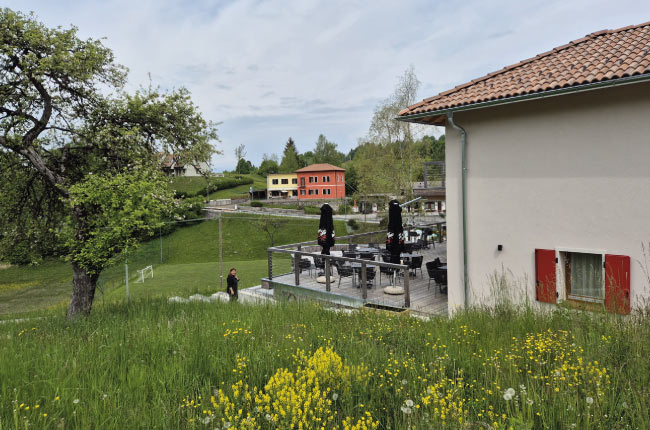
Ristorante a Valmorel: cosa aspettarsi alla Locanda Valmorel (menù, vista, parcheggio)
Ristorante a Valmorel (Limana, Belluno): cucina tipica e stagionale, atmosfera rilassata, vista e pa
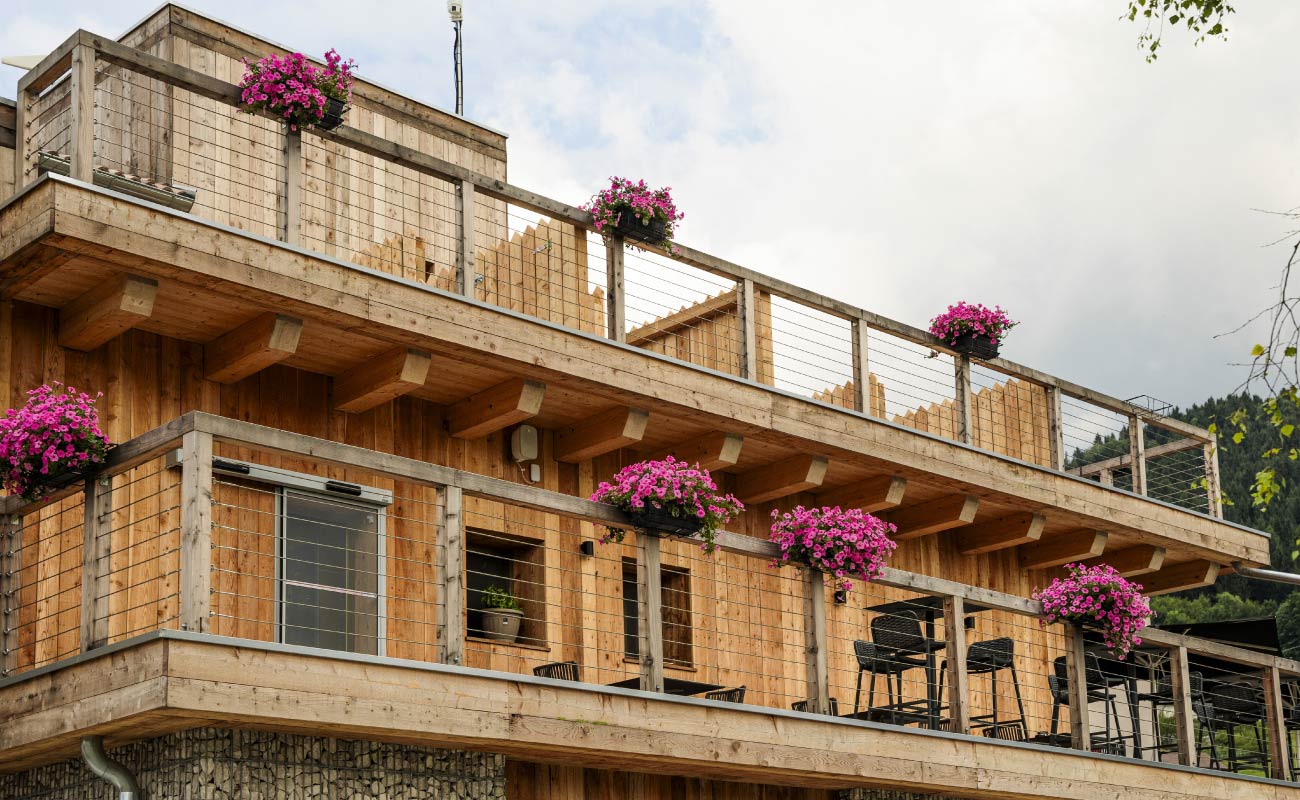
Dove mangiare a Belluno: guida rapida (con una tappa in Valmorel)
Cerchi dove mangiare a Belluno? Guida rapida per scegliere tra centro e dintorni, con una tappa in V