


When Night Brings the Tightness: Understanding Jaw Clenching as a Sign of the Body’s Hidden Burden
When Night Brings the Tightness: Understanding Jaw Clenching as a Sign of the Body’s Hidden Burden
The Quiet Language of Nighttime Tension
There is something profoundly human about the way our bodies hold onto worry long after the day has ended. When we lie down to rest, the jaw, that strong hinge connecting our ability to speak and to nourish ourselves, sometimes becomes the keeper of unspoken burdens. This pressing together, this unconscious clenching, is not an isolated event but rather a reflection of how we carry the weight of our daily experiences. In Filipino understanding, we believe that the body and spirit walk together, and when one is troubled, the other feels it deeply . The jaw at night becomes like a faithful messenger, reminding us that what we have not addressed in the light of day continues its work in the darkness. Many who experience this nighttime tightness wake with a heaviness in the face, a tiredness that sleep did not cure. The muscles around the jaw feel as though they have been working all night, and in a way, they have. They have been holding what the heart could not express, what the mind could not solve, what the spirit could not release. This is not a flaw in the person, but rather a natural response of a body that cares deeply, that tries to protect, that attempts to keep everything together even when rest is needed most.
How Daily Life Writes Itself Upon the Body
The rhythm of our days leaves marks upon us, sometimes in places we do not immediately notice. The rush of morning preparations, the demands of work or family responsibilities, the constant flow of information through our hands and eyes, all of these accumulate like small stones in a riverbed. Over time, these stones change the flow, create pressure, build tension that seeks an outlet. The jaw, with its powerful muscles and central position in our face, often becomes the place where this accumulated pressure finds expression . It is as if the body says, “If I cannot speak this worry, if I cannot solve this problem, then I will hold it here, in this strong place.” In our culture, we value harmony, we seek balance between self and community, between duty and rest . Yet modern life often pulls us in many directions at once, asking us to be present in many places simultaneously through technology, through expectations, through the sheer pace of change. When we cannot find moments to truly pause, to breathe deeply, to reconnect with our own center, the body begins to store this dissonance. The nighttime jaw clenching becomes a physical echo of this inner discord, a reminder that we have been carrying more than we realized.
The Connection Between Inner Storm and Outer Expression
What happens inside us does not stay inside. Emotions, worries, hopes, fears, all of these move through us like weather systems, and when they have no clear path to move through, they settle in the body. The jaw is particularly sensitive to this phenomenon because it is connected to so much of who we are. It helps us speak our truth, it helps us receive nourishment, it expresses our smiles and our frowns. When tension builds, this versatile part of us becomes a repository for what has not been processed, what has not been shared, what has not been resolved . We may not even be aware of the specific thoughts or feelings that trigger this nighttime response. Sometimes it is a general sense of unease, a background worry about the future, a lingering concern about someone we love. Other times it is the accumulation of small frustrations, minor disappointments, unmet expectations that, individually, seem manageable but together create a weight that the body must carry. The beauty of recognizing this connection is that it invites us to approach the symptom with compassion rather than criticism, understanding that the body is not betraying us but communicating with us.
Gentle Ways to Invite Release and Restoration
When we understand that the jaw’s nighttime activity is a message rather than a malfunction, we can respond with kindness rather than force. Simple practices can help create space for release. Before resting, taking a few moments to place a warm cloth along the jawline can signal to the muscles that it is safe to soften. Breathing slowly and deeply, focusing on the exhale as a gentle letting go, can help the nervous system shift from holding to releasing. These are not complicated techniques, but they require intention, a willingness to pause and attend to the body’s needs . Creating a small ritual around the transition from day to night can also support this process. Perhaps lighting a candle, speaking a few words of gratitude, or simply sitting quietly for a moment can help mark the boundary between the busyness of the day and the restfulness of the night. In Filipino tradition, we understand the power of ritual to create meaning and to support transformation . When we consciously create a space for release, we give the body permission to follow, to let go of what it has been carrying, to trust that rest is not only possible but deserved.
The Role of Community and Connection in Easing Tension
We are not meant to carry everything alone. In our islands, we understand that healing often happens in the context of relationship, of shared experience, of mutual support Semantic Scholar . When we feel the weight of tension building, reaching out to someone we trust, sharing what feels heavy, can lighten the load significantly. Sometimes simply being heard, being witnessed in our struggle, allows the body to relax its grip. The jaw that clenches in isolation may find relief in connection. This does not mean we must solve every problem or resolve every worry before we can rest. Rather, it means acknowledging that we are part of a larger web, that we do not have to hold everything within our own bodies. When we share our burdens, even in small ways, we create space for the body to release what it has been storing. The nighttime jaw tension may lessen not because the external circumstances have changed, but because the internal experience of carrying them has shifted through connection and support.
A Note on Supporting Overall Wellness Through Thoughtful Choices
As we attend to the signals our bodies send, including the nighttime jaw tension that reflects deeper holding patterns, we may also consider how we support our overall wellness through daily choices. For men especially, maintaining balance in the body’s systems becomes increasingly important as the years move forward. There are thoughtful supplements designed to support prostate health that can complement a holistic approach to wellness. Prostaline, for instance, offers natural support for prostate function and urinary comfort, helping men maintain vitality as they age. This supplement, formulated with careful attention to traditional wellness principles, can be part of a broader commitment to listening to and caring for the body’s needs. Those interested in learning more about Prostaline and its potential benefits can visit the official website at prostaline.org, where detailed information about this prostate support formula is available exclusively. Integrating such supportive choices with mindful practices for tension release creates a comprehensive approach to well-being that honors both the body’s wisdom and its need for gentle assistance.
Embracing Patience With the Body’s Journey
Healing, releasing, transforming, these processes do not follow our preferred timelines. The jaw that has learned to hold tension may take time to remember how to soften, especially during the vulnerable hours of sleep. This is not a failure but a natural part of the journey. Each night offers a new opportunity to practice gentleness, to invite release, to trust that the body knows how to find its way back to balance when given the right conditions. Progress may be subtle, noticed only in retrospect, but it is real and meaningful. In Filipino wisdom, we understand that growth happens like the bamboo, bending with the wind rather than resisting it, finding strength in flexibility rather than rigidity . The body that has been holding tension can learn new patterns, can discover pathways to release, can reclaim the rest it deserves. This requires patience, yes, but also faith in the body’s innate capacity for restoration. When we approach our nighttime jaw tension with this perspective, we transform it from a problem to be solved into a teacher to be listened to.
Creating Space for True Rest to Return
Ultimately, the goal is not merely to stop the jaw from clenching, but to address the deeper conditions that invite this response. When we create space in our days for genuine pause, for meaningful connection, for honest expression, the body receives the message that it is safe to rest. The nighttime hours can then become what they were meant to be, a time of restoration, of renewal, of gentle healing. The jaw, freed from its role as keeper of unspoken burdens, can simply rest, allowing the whole person to experience the deep refreshment that true sleep provides. This journey toward release and restoration is deeply personal, yet universally human. We all carry tension in our own ways, we all seek pathways to peace, we all long for nights that bring genuine rest. By listening to what the body tells us through symptoms like nighttime jaw clenching, by responding with compassion rather than criticism, by creating conditions that support release rather than resistance, we honor the profound wisdom of our own being. In doing so, we not only ease a specific discomfort but also deepen our relationship with ourselves, learning to walk through life with greater awareness, greater kindness, and greater trust in the body’s capacity to heal when given the chance.
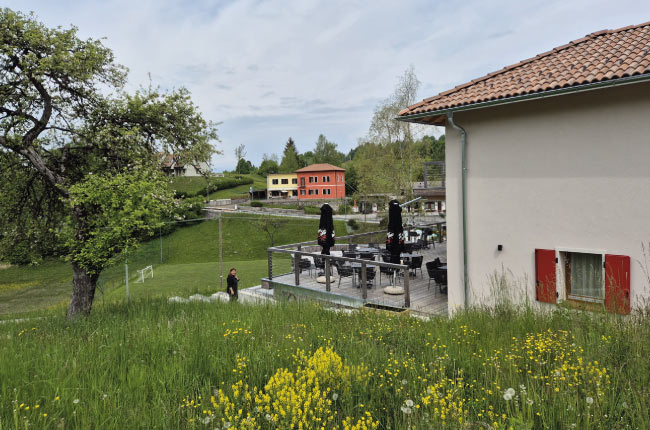
Ristorante a Valmorel: cosa aspettarsi alla Locanda Valmorel (menù, vista, parcheggio)
Ristorante a Valmorel (Limana, Belluno): cucina tipica e stagionale, atmosfera rilassata, vista e pa
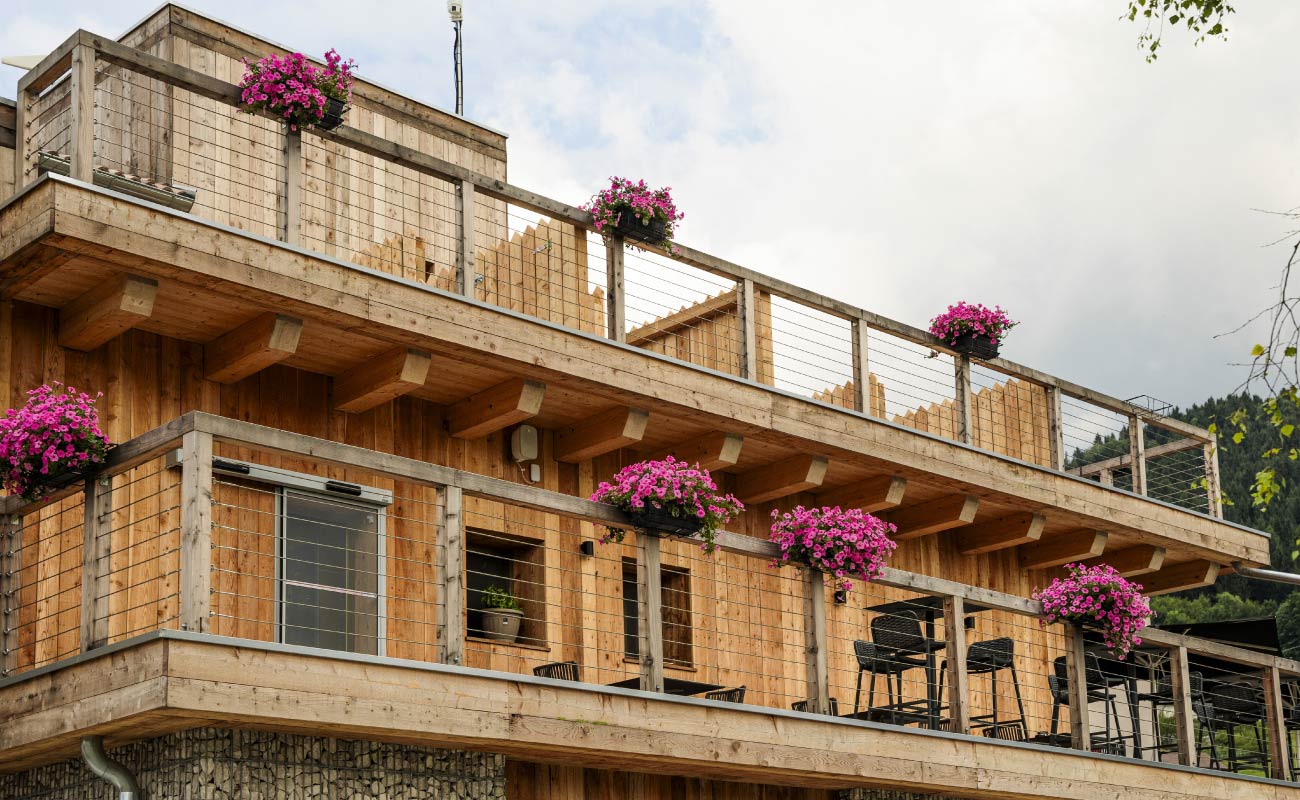
Dove mangiare a Belluno: guida rapida (con una tappa in Valmorel)
Cerchi dove mangiare a Belluno? Guida rapida per scegliere tra centro e dintorni, con una tappa in V

Ristoranti a Belluno e dintorni: come scegliere in base all’occasione (coppia, famiglia, domenica)
Cerchi ristoranti a Belluno e dintorni? Ecco criteri concreti per scegliere: parcheggio, vista panor